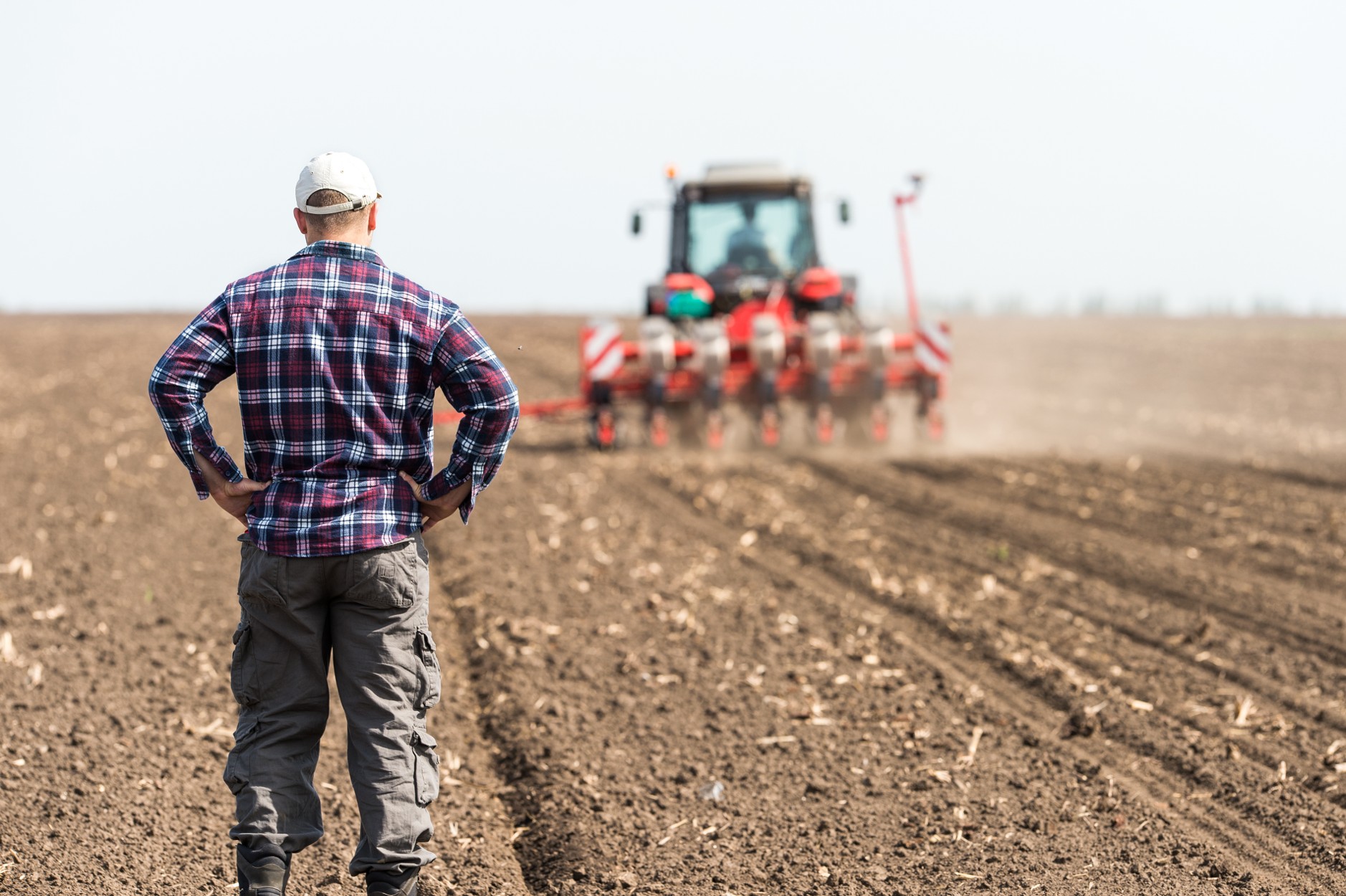
Why Farmers Insurance Matters in 2026
Agriculture plays a huge role in South Africa’s economy, from creating jobs to supporting food security and driving development in rural communities. In 2026, though, farmers are dealing with a tougher risk landscape than ever before, with erratic weather linked to climate change, new pests and diseases and constant swings in global and local market prices.
Farmers insurance helps protect your income and your operation when things go wrong. By offering financial support after covered losses, the right policy can keep cash flow going, help you repair or replace assets and support the long-term sustainability of both small and large farms.
Main Types of Farmers Insurance in South Africa
A good farmers insurance package is usually built from a few key building blocks. Here are the most common types of cover South African farmers consider.
1. Crop Insurance
Crop insurance helps protect you if your crops are damaged or destroyed by insured events such as drought, floods, hail, frost, pests or disease. Multi-peril crop insurance (MPCI) is widely used and takes into account your crop type, historical yields and the climate profile of your area.
Some insurers are also introducing index or parametric-style solutions that trigger payouts based on measured weather events or yield data. This can speed up payouts and make it easier for smaller and emerging farmers to access meaningful protection.
2. Livestock Insurance
Livestock insurance covers specified risks to your animals, such as disease outbreaks, theft, accidents or certain natural perils. This kind of cover can pay out the insured value of animals that die from covered causes or are stolen, helping you recover and rebuild your herd.
In an environment where diseases like Foot and Mouth can lead to movement restrictions and trade interruptions, this cover can be a crucial part of keeping the business stable when you face a shock.
3. Farm Buildings, Equipment and Vehicles
Farm building and equipment insurance protects your physical assets, including sheds, barns, silos, irrigation systems, tractors, harvesters, bakkies and other vehicles used for farming. It usually responds to events such as fire, storms, floods, theft and malicious damage, according to the policy wording.
Replacing modern, technology-heavy machinery and irrigation systems out of pocket is extremely expensive. Having them properly insured as part of a broader business insurance package helps you get back to work faster after a loss without putting unsustainable pressure on your capital.
4. Liability Insurance
Liability cover protects you if your farming activities accidentally cause injury to someone else or damage to their property. This can include visitors to the farm, neighbouring landowners or customers further down the value chain.
Depending on the product you choose, liability cover can also extend to environmental damage or product-related liabilities, which are becoming more important as export markets tighten standards and expect higher levels of traceability and compliance.
Add-On Covers and Specialist Protection
Beyond standard asset and liability sections, farmers can add extra cover based on their risks and budget.
Common add-ons include:
- Hail cover for specific crops during vulnerable growth stages
- Business interruption cover to help with income shortfalls after an insured event, such as infrastructure damage or export delays
- Machinery breakdown, especially for key items like milking equipment, packhouse lines and cooling systems
- Broader environmental and product liability extensions for farmers supplying formal retailers or export markets
As climate risk, regulations and technology change, many insurers are widening these options and offering more tailored agri solutions, including weather-index products and specialised advice.
Choosing the Right Farmers Insurance
Getting the right mix of cover is about more than just picking a policy name. It helps to work through a few practical questions first.
1. Size and Type of Operation
A large commercial operation with multiple farms, export contracts and high-value equipment will need different limits and extensions to an emerging, smallholder or subsistence farm. In recent years, more flexible and sometimes parametric options have started targeting smaller farmers so they can access cover that fits their scale.
2. Specific Risks on Your Farm
Look at your location and setup. Are you in a hail-prone area, a drought-sensitive region or near rivers and floodplains. Do you rely on a single packhouse or piece of machinery. The answers help determine which perils and add-ons matter most.
3. Budget and Cash Flow
The goal is to balance meaningful cover with a premium that fits your cash flow. Some newer models allow for more flexible payment structures, such as premiums that track seasonal activity or specific planting windows, depending on the insurer and product.
4. Track Record of the Insurer
When it comes to farming claims, experience matters. Look at insurers that have a strong track record in agricultural insurance and are known for handling complex claims fairly and efficiently.
5. Guidance from a Specialist Broker
Agricultural policies can be technical. A broker who understands farming can help you interpret exclusions, set realistic sums insured, and calculate possible business interruption needs based on current input costs and market prices.
Helpful Resources and Providers
Here are some of the insurers and organisations that play a role in farmers insurance and agri risk management in South Africa.
Major Insurers with Agricultural Solutions
- Santam: Offers a broad range of agri products, including multi-peril crop cover, livestock cover and solutions for technology-heavy machinery and specialised risks.
- Hollard: Provides flexible options geared to different types of farming operations, from traditional crops to niche and mixed farming.
- Land Bank Insurance (LBIC): Focuses on tailored solutions for both commercial and developing farmers, often aligned with broader agricultural finance.
- OUTsurance and other short-term insurers: Offer business insurance packages that can be structured for farming operations, with clear product features and service-driven support.
(Always check each insurer’s product documents and speak to a licensed adviser or broker before making decisions.)
Government and Industry Bodies
- Department of Agriculture, Land Reform and Rural Development (DALRRD): Leads on agricultural policy, land reform and food security, and shares information on risk management programmes and support schemes.
- Department of Forestry, Fisheries and the Environment (DFFE): Oversees environmental and certain sector regulations that may affect forestry, fisheries and related farming activities.
- Agri SA and other farmer organisations: Provide advocacy, training and practical guidance on insurance, sustainability and risk management for farmers across the country.
- South African Insurance Association (SAIA): Represents the short-term insurance industry and supports fair and effective insurance practices, including in the agri space.
Protect Your Farm’s Future
Farming always involves risk, but you do not have to carry that risk alone. A well-structured farmers insurance portfolio can help protect your land, assets, income and legacy when conditions turn against you.
Take some time to map out your main risks, speak to a licensed adviser or broker, and choose a policy that is ready for the realities of farming in 2026 and beyond.
Prefer to speak to a human?
Why contact multiple insurers when you can just fill in one form? We connect you with trusted providers who’ll call you directly with personalised, obligation-free quotes: saving you time, effort, and money. Skip the back-and-forth and let the insurers come to you.

Insurance.co.za Content Team
We’re a specialist team of insurance and finance copywriters providing flexible and dynamic insights into the South African market.